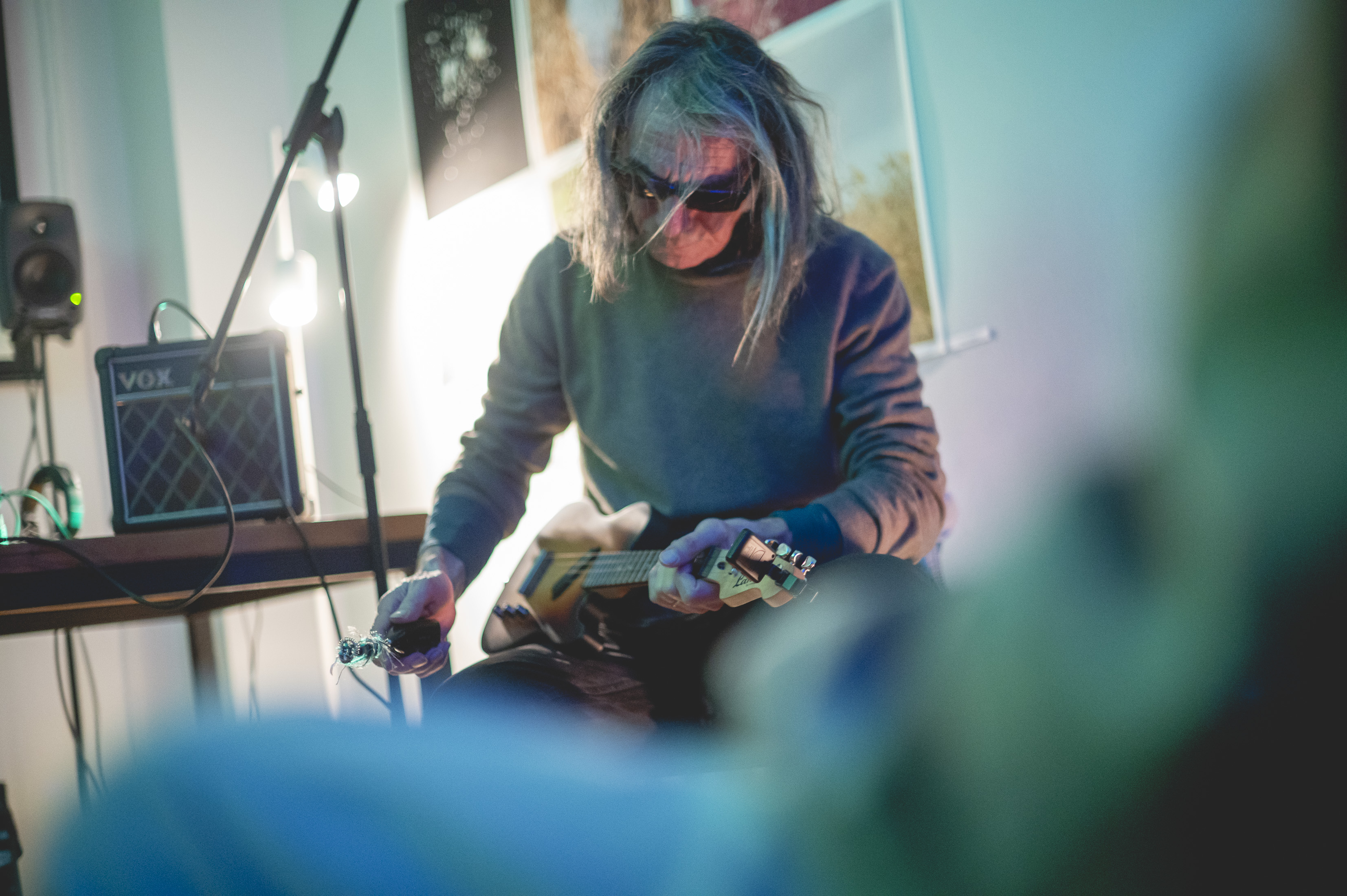
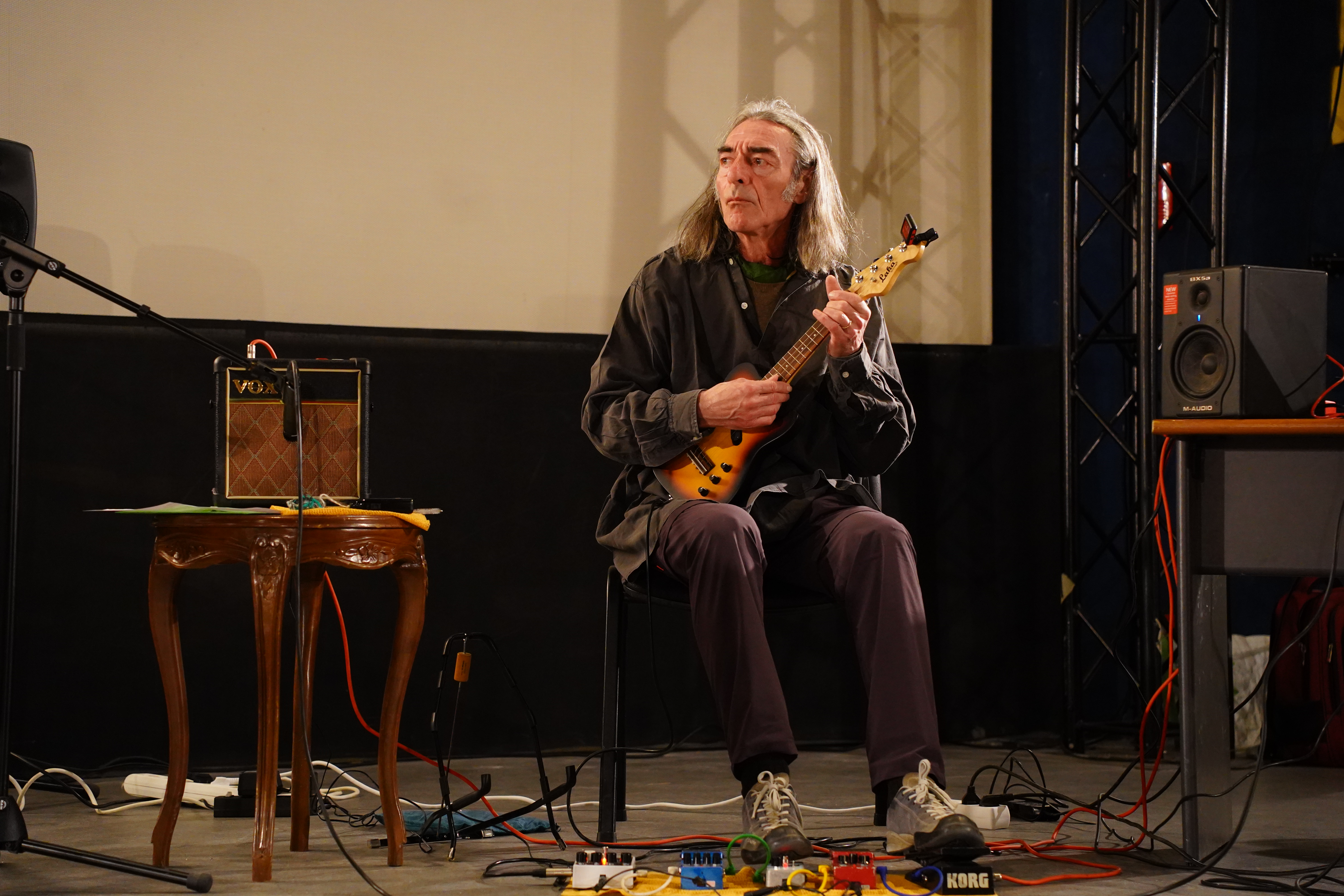
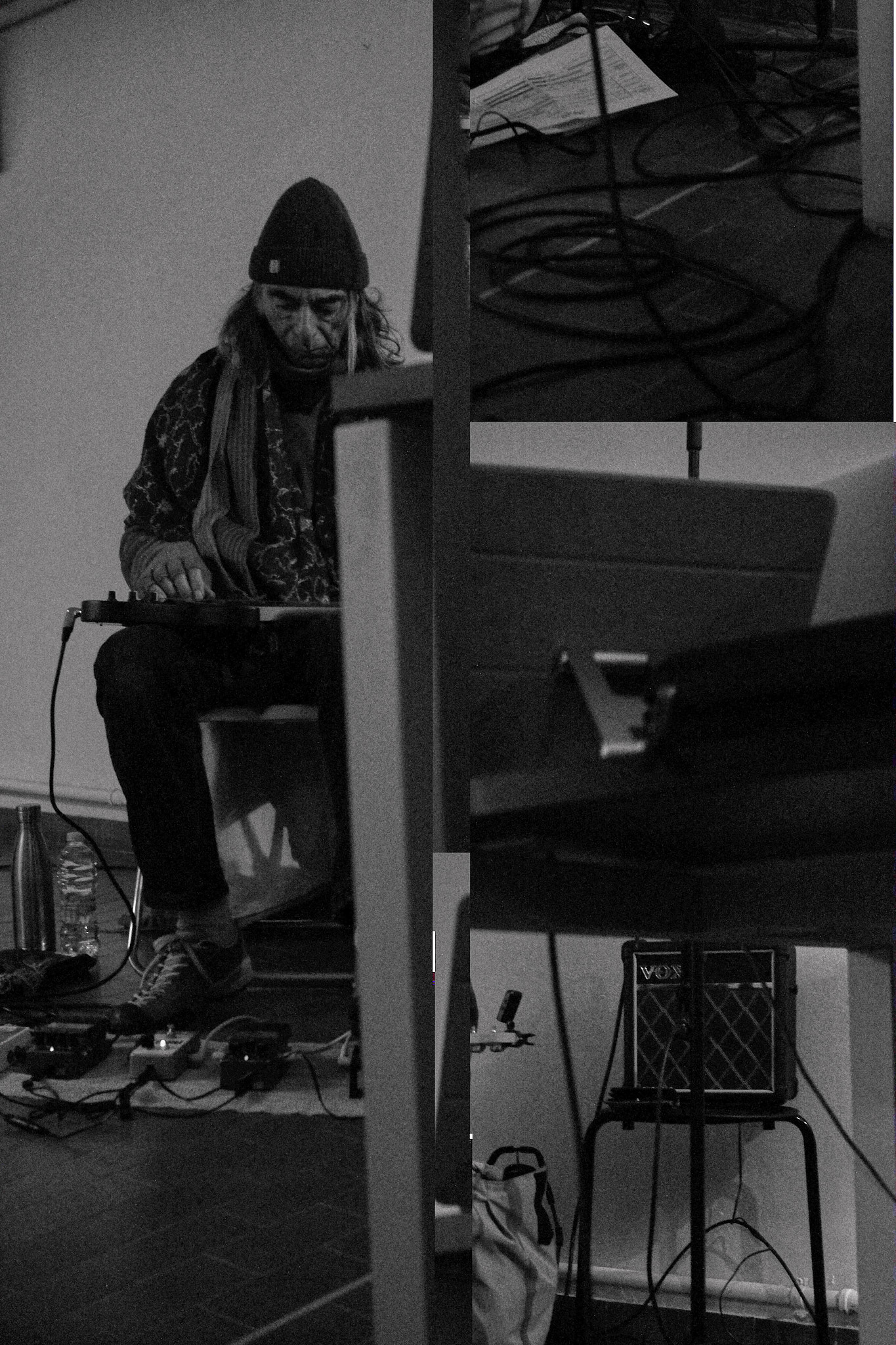
Giancarlo Nicolai – electric ukulele, objects, effects
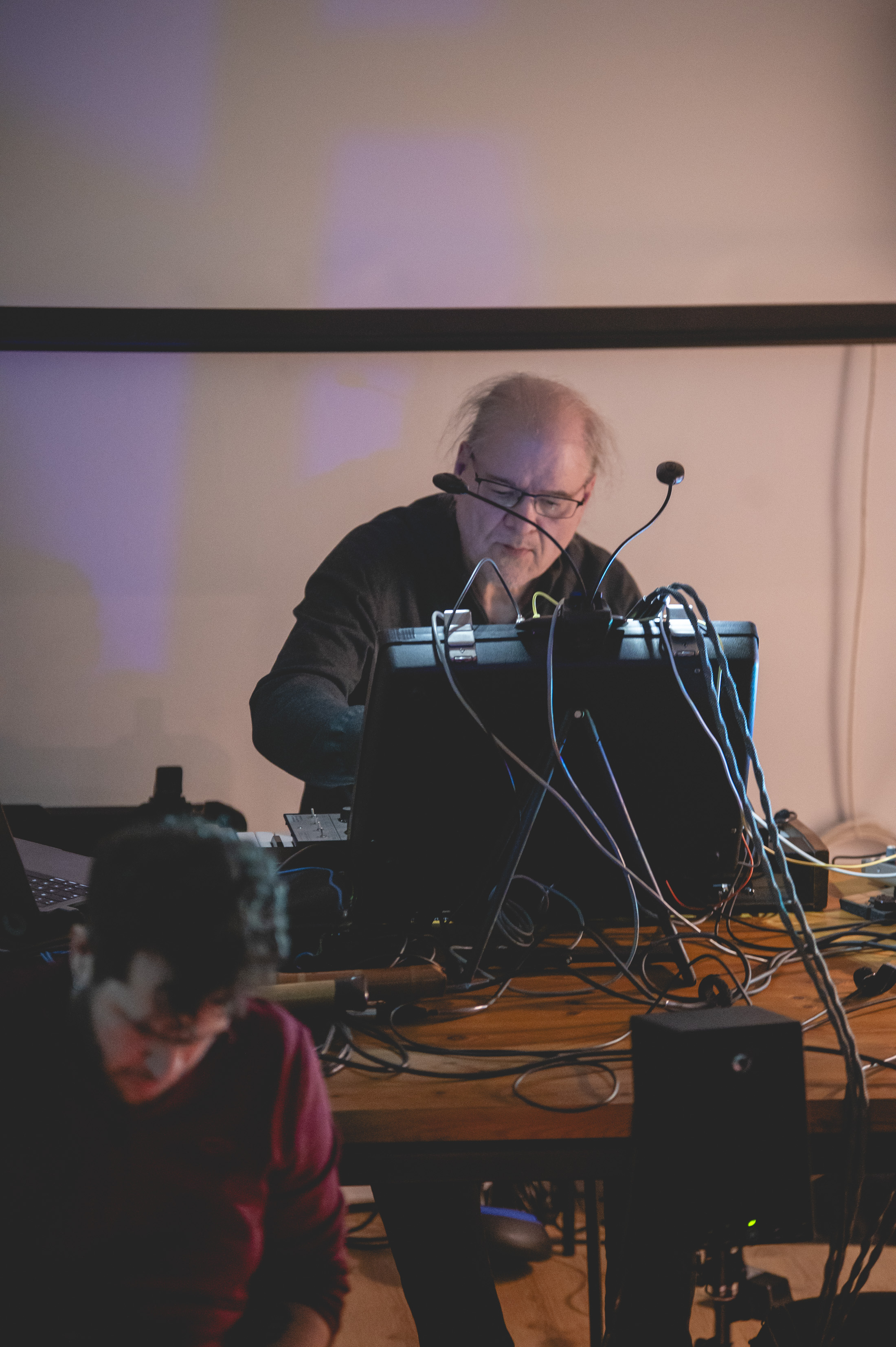
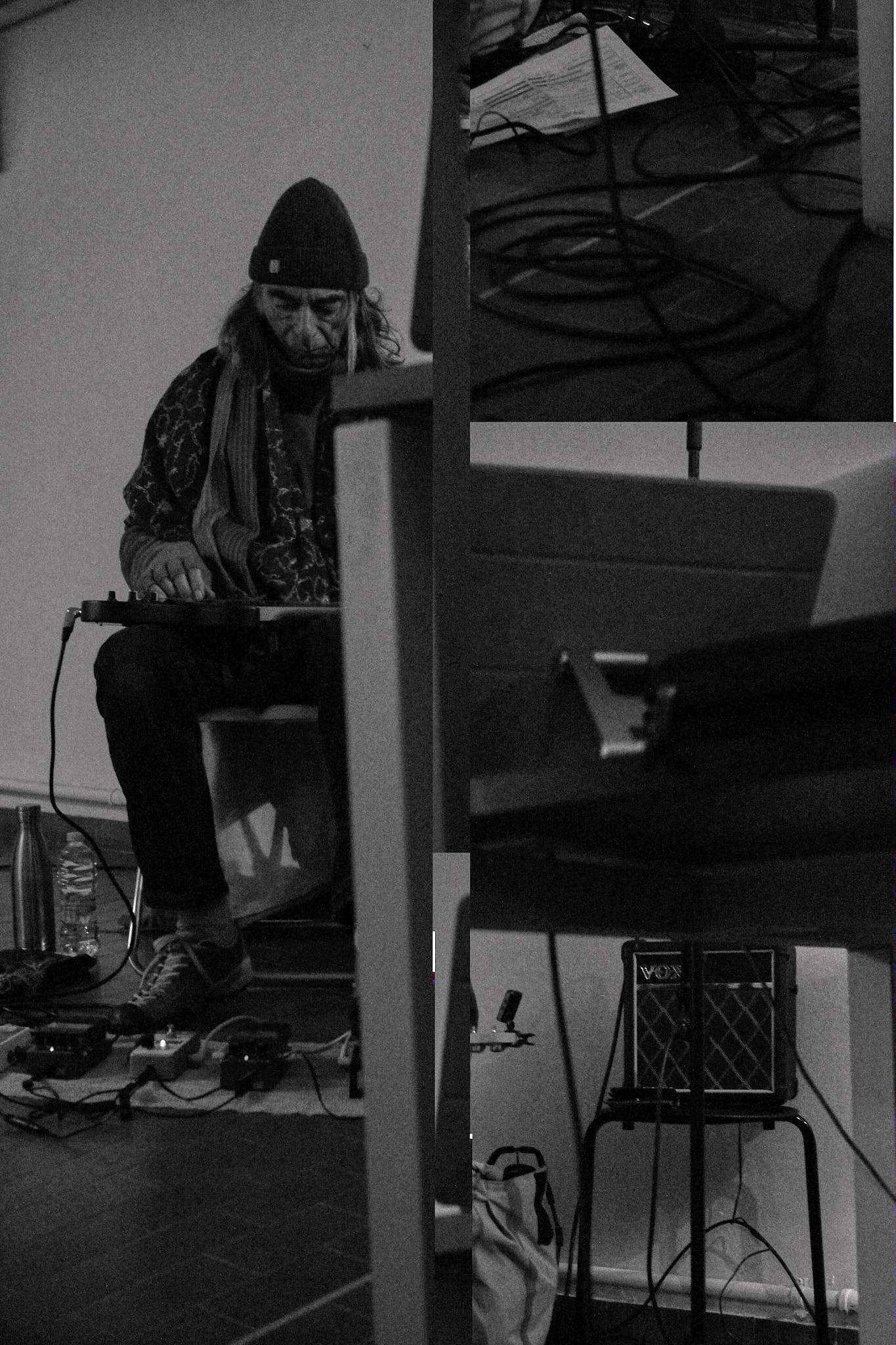
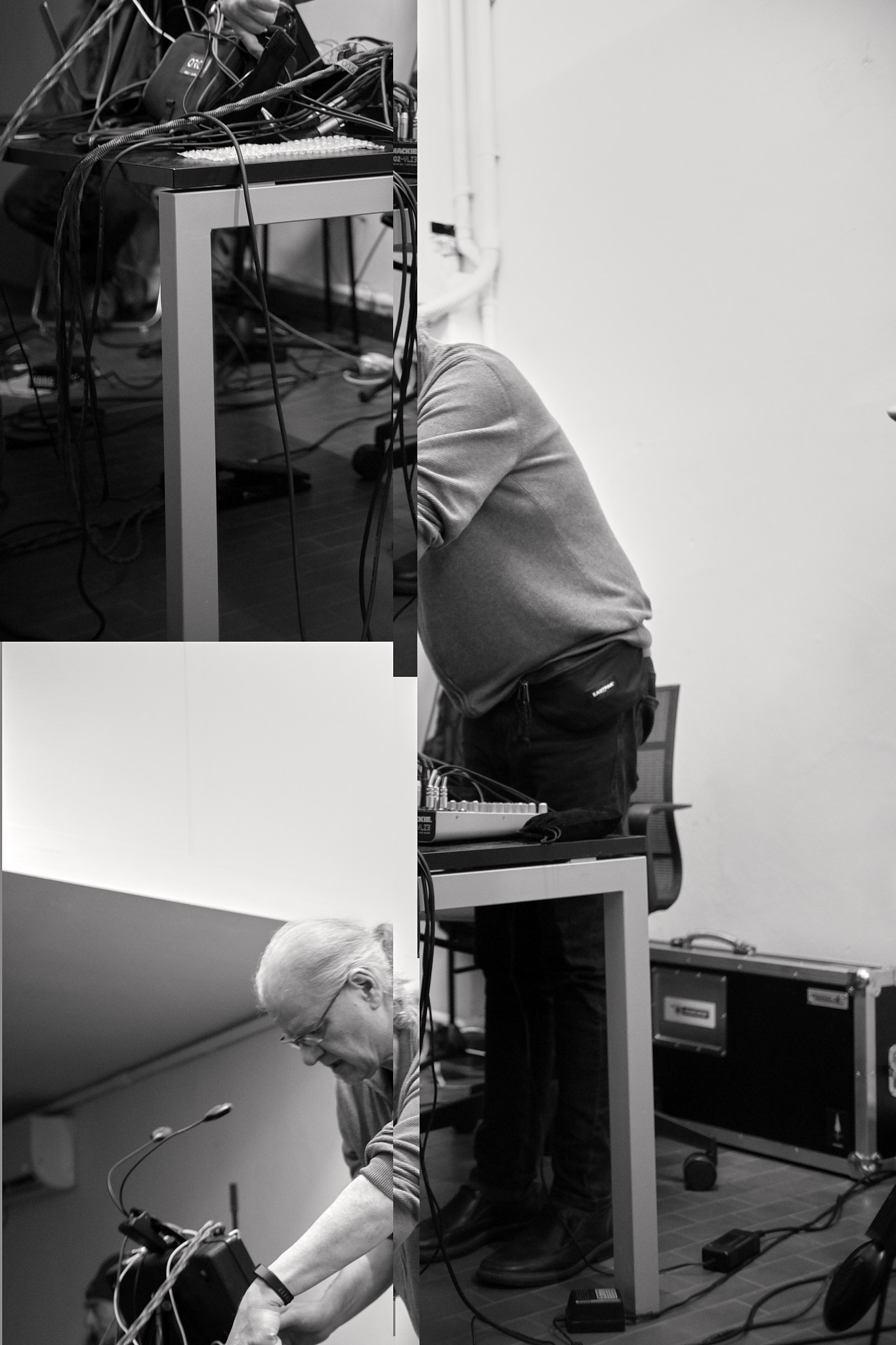
Eric Ruffing – analogue synthesizer, tape, field recordings
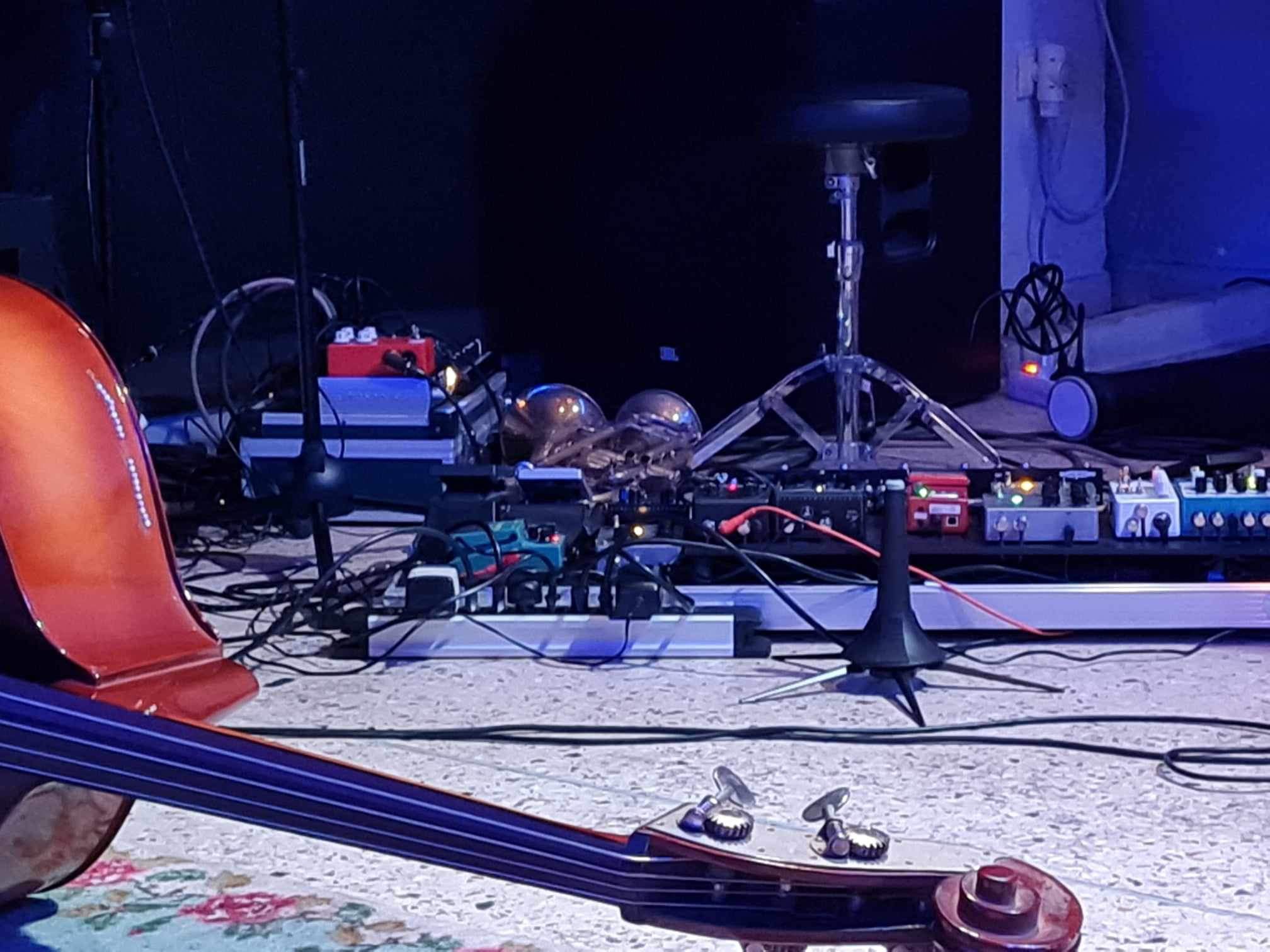
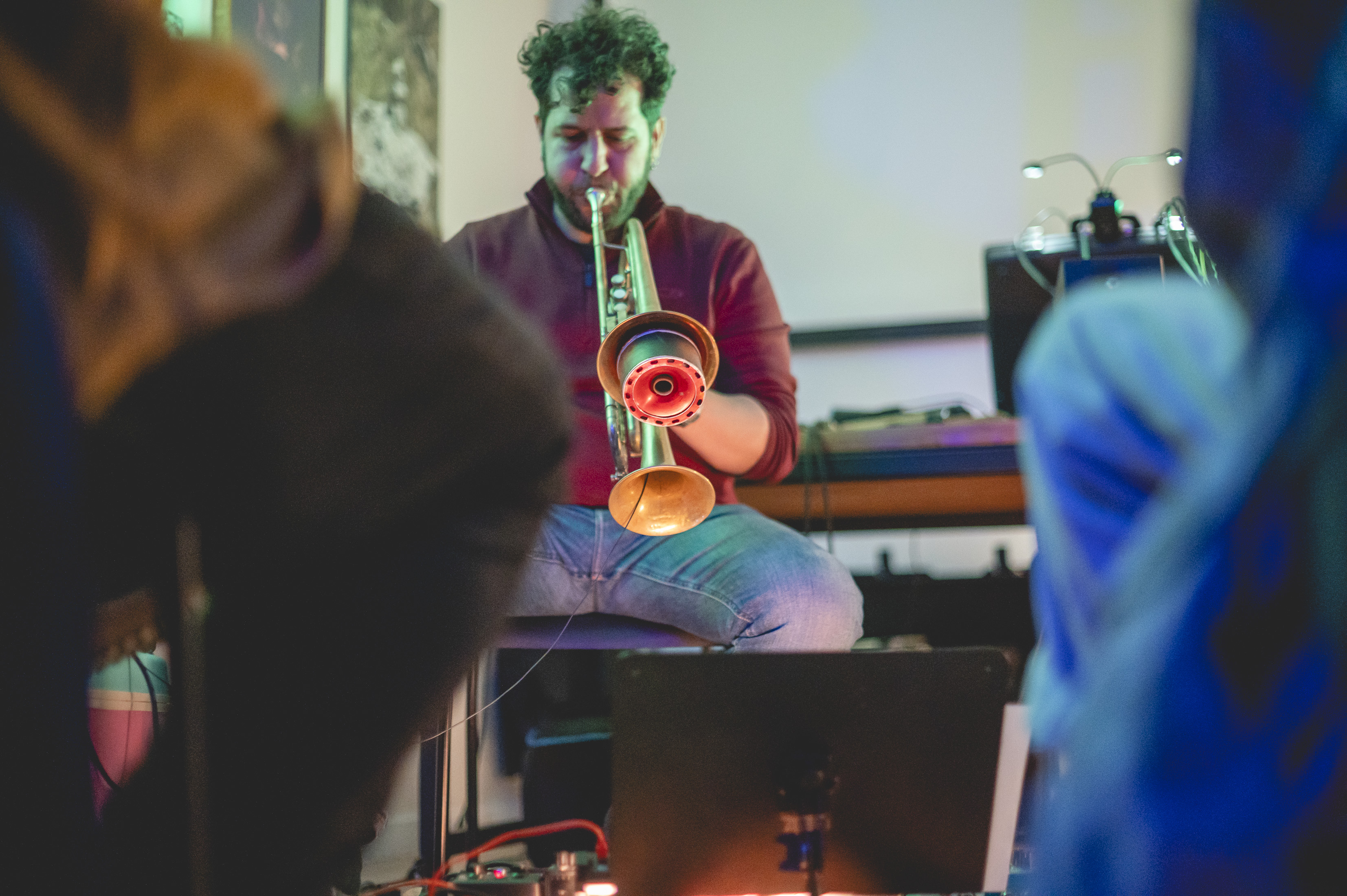
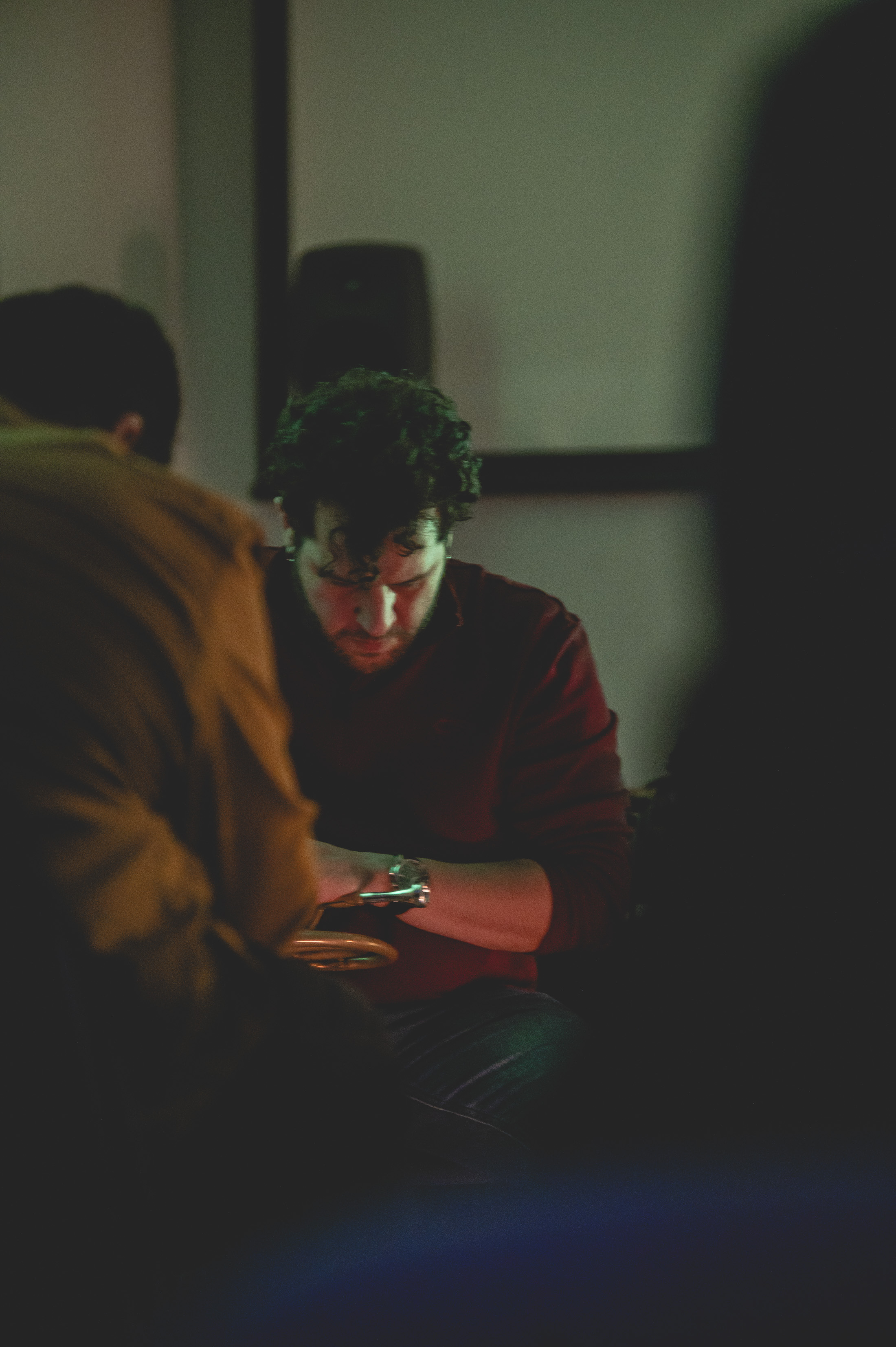
Tassos Tataroglou – microtone duplex trumpet, electronics, concept
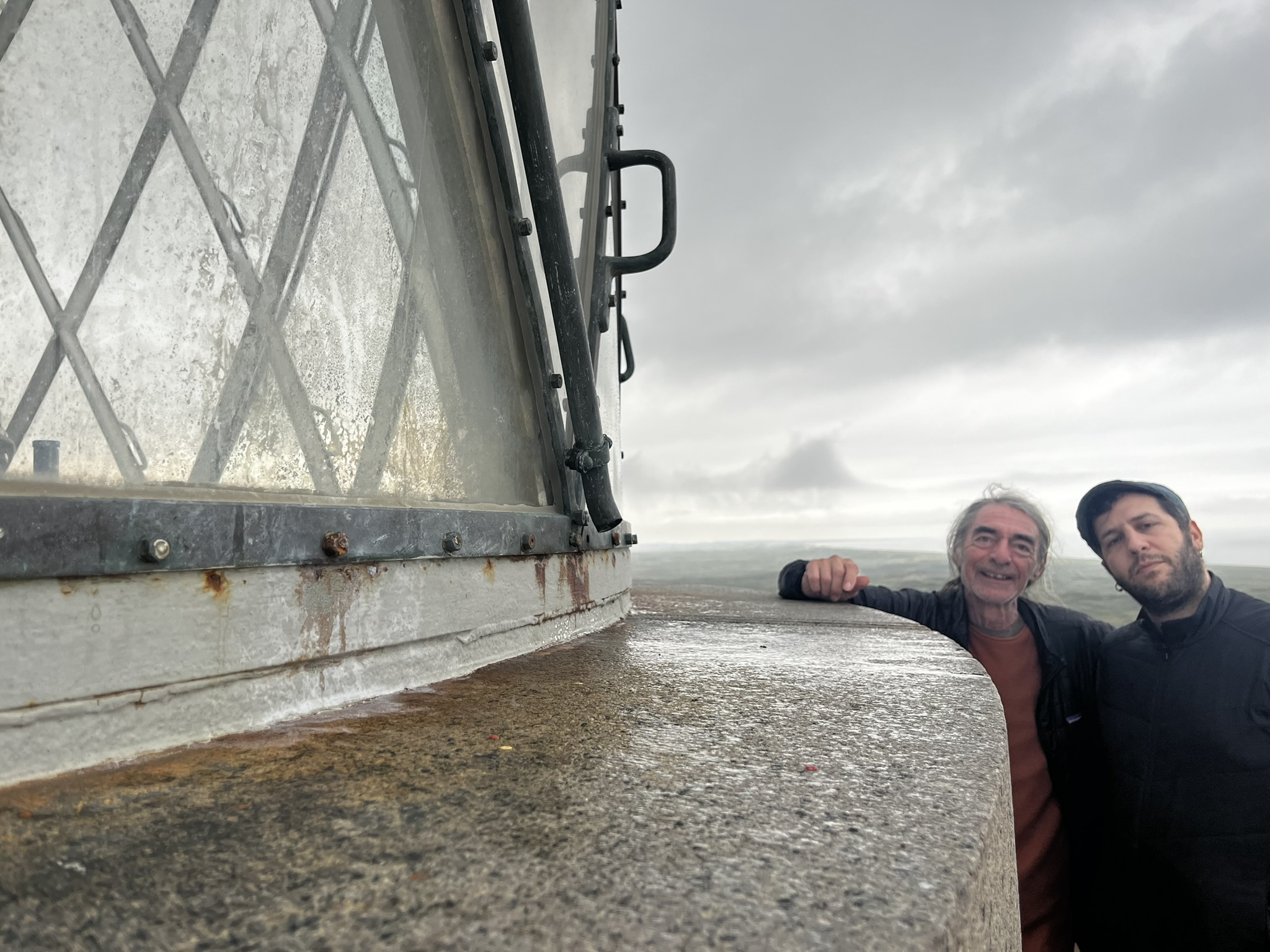
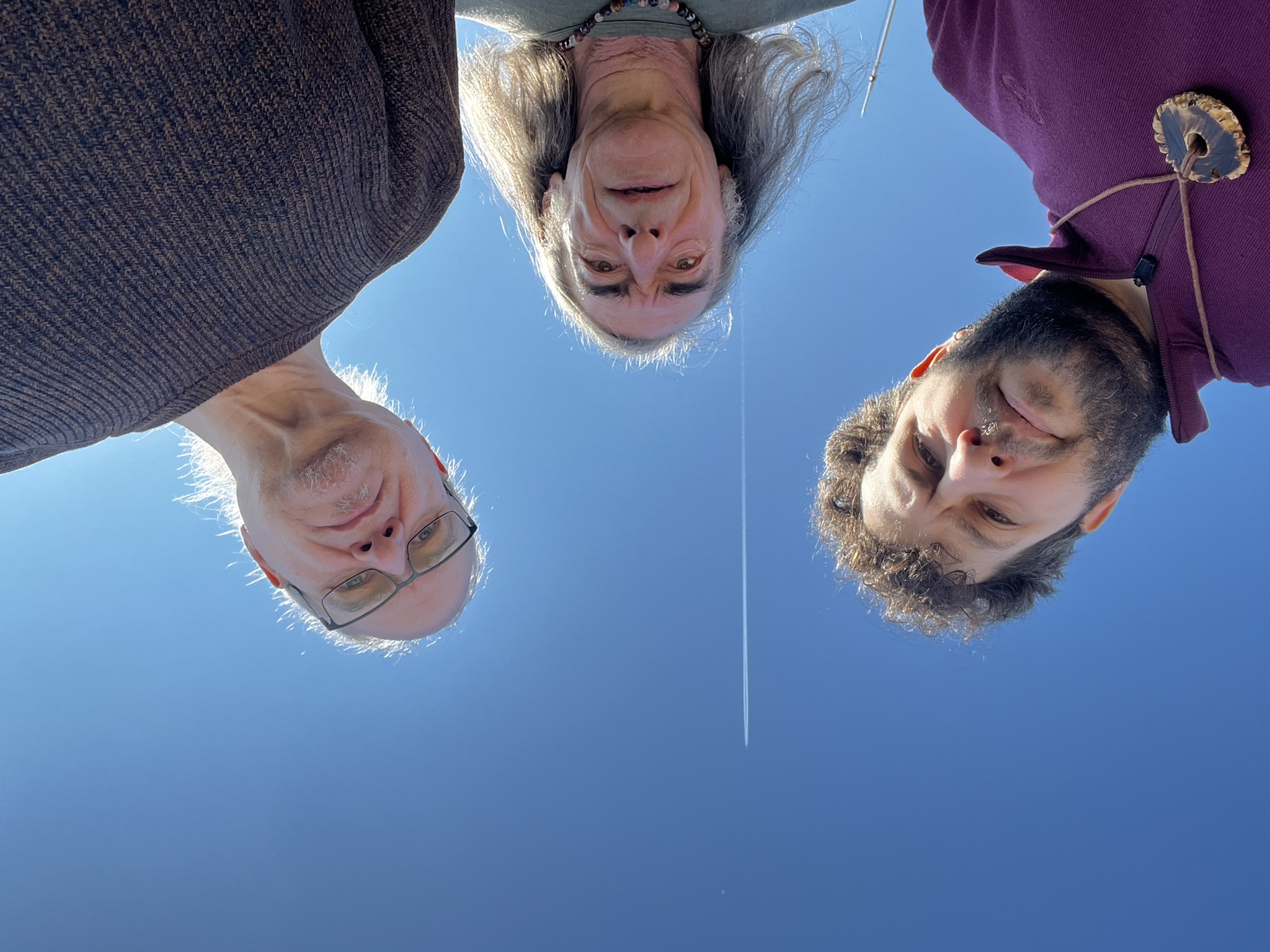
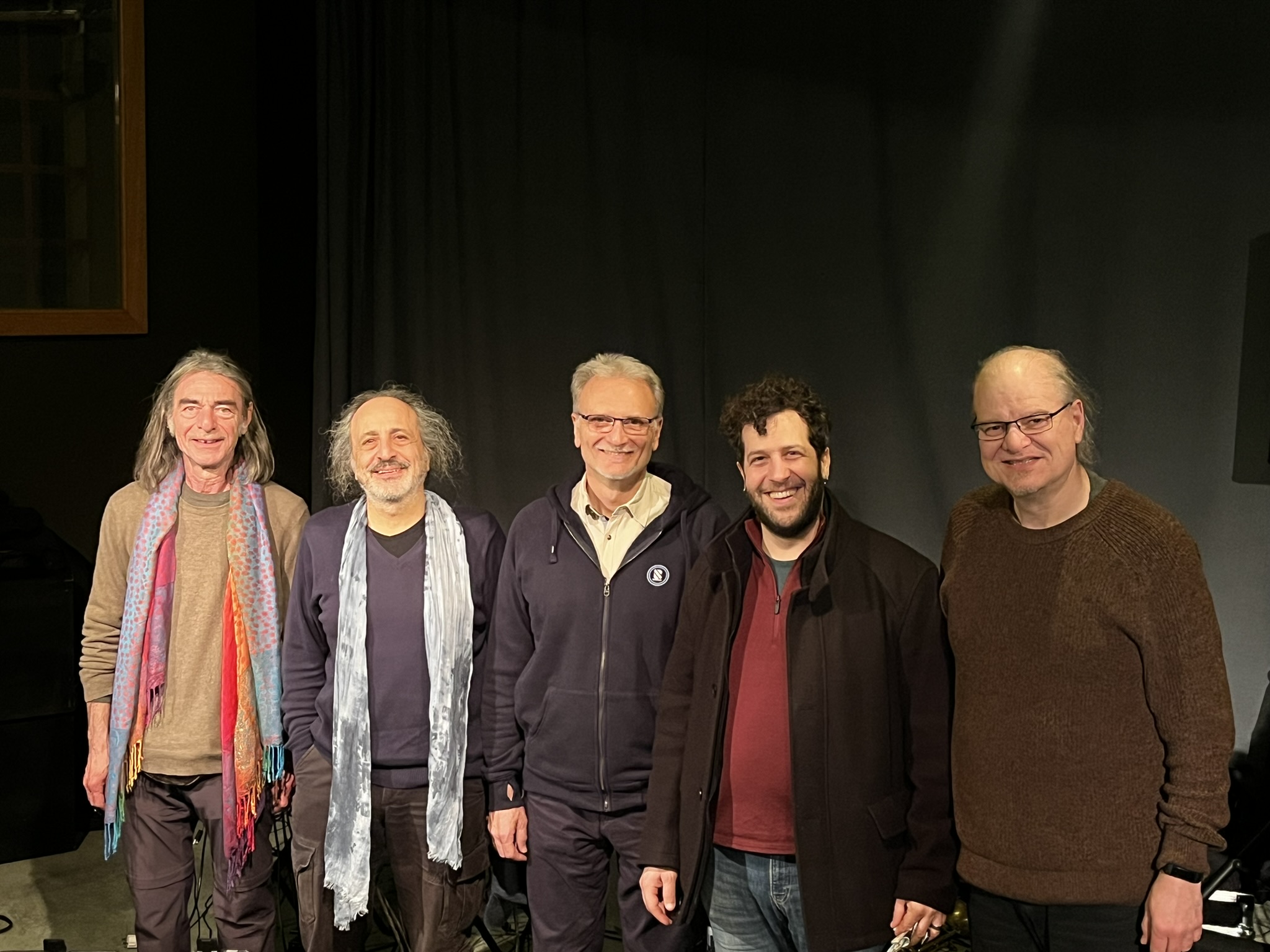
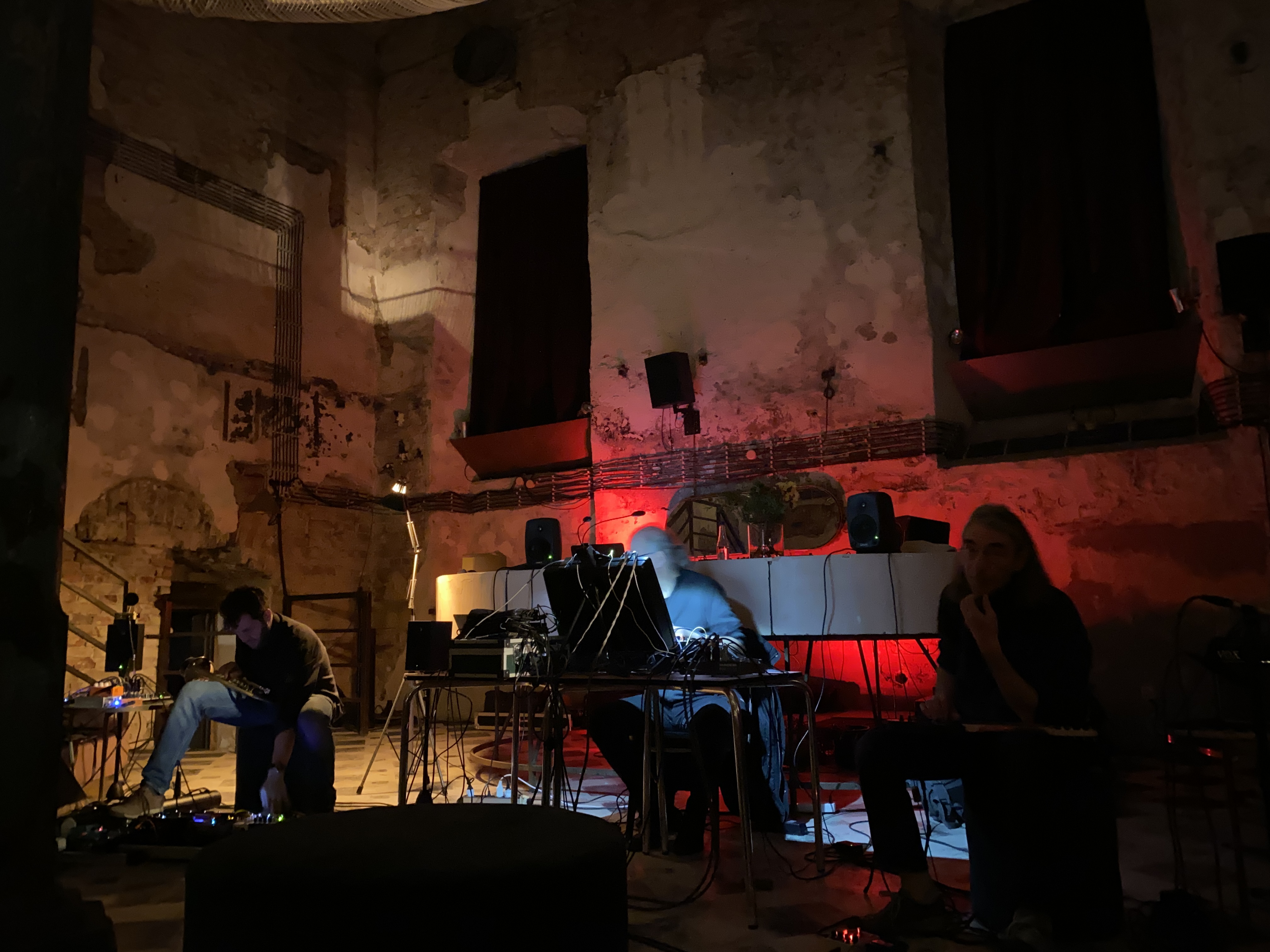
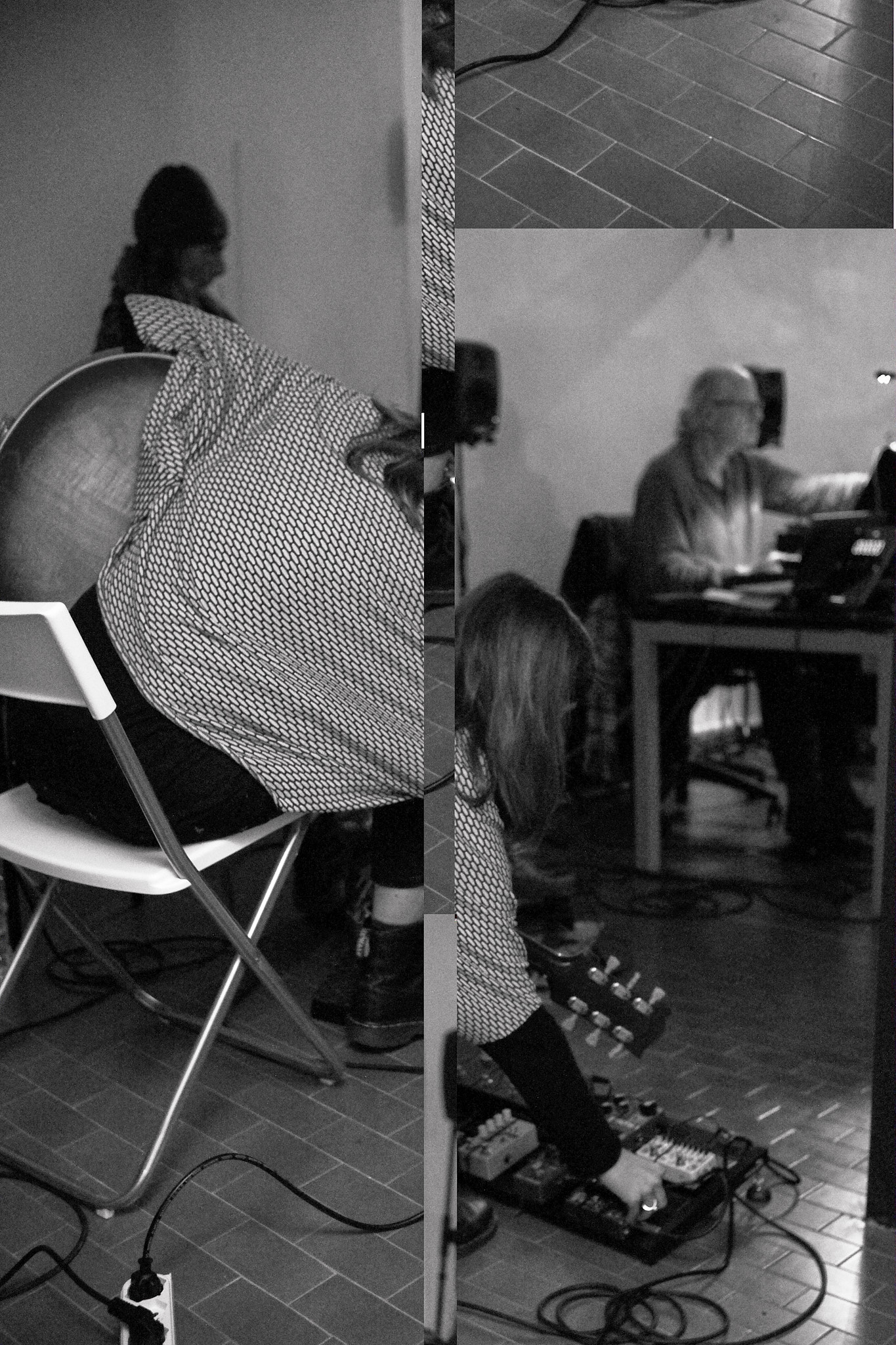
Formed in Basel during the 2020 pandemic, the trio of Nicolai, Ruffing, and Tataroglou dedicates itself to free improvisation and experimental music. Their practice navigates the fertile ground between open composition and conceptual improvisation.
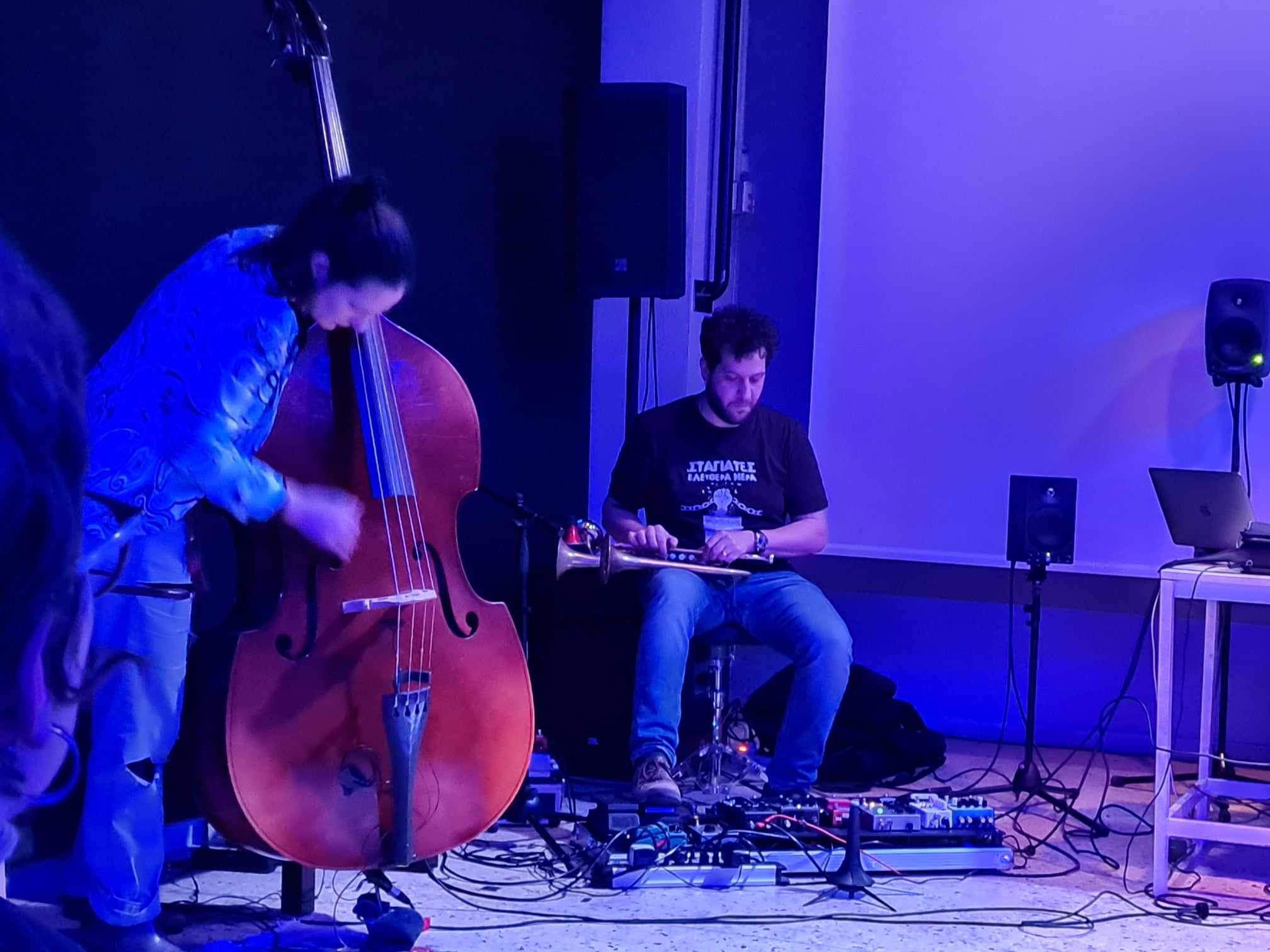
This exploratory approach was exemplified in February 2024, when they toured Italy, Serbia, North Macedonia, and Greece, performing Tassos Tataroglou’s Leuchtfeuer and Eric Ruffing’s 三曲 (Jp: Sankyoku) alongside eleven musicians in ad-hoc collaborations. Later that autumn, their desire to further develop Leuchtfeuer led to collaborations with several Swiss and international artists across ten different ensemble formations, adding Giancarlo Nicolai’s Mette-mette to their repertoire.
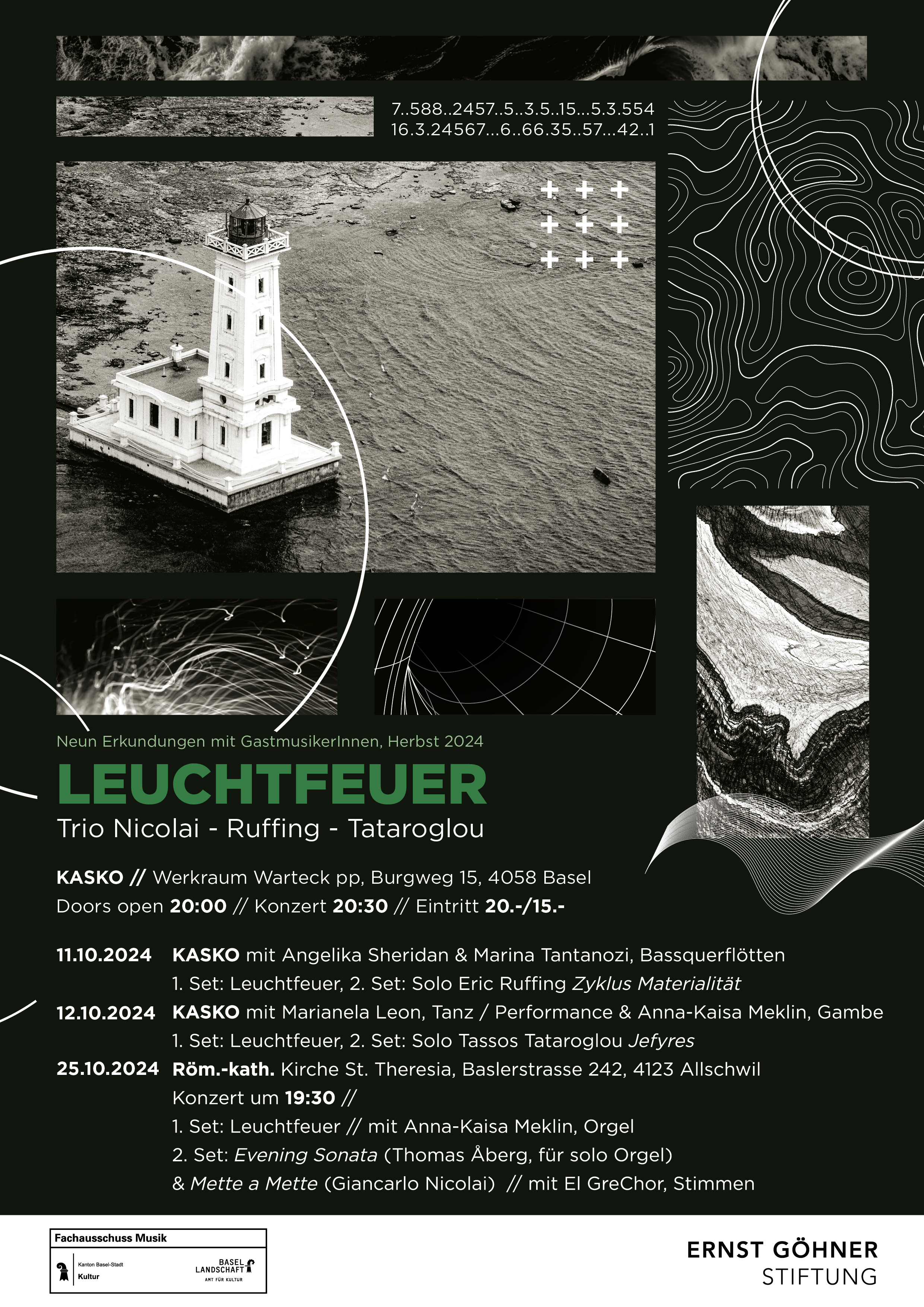
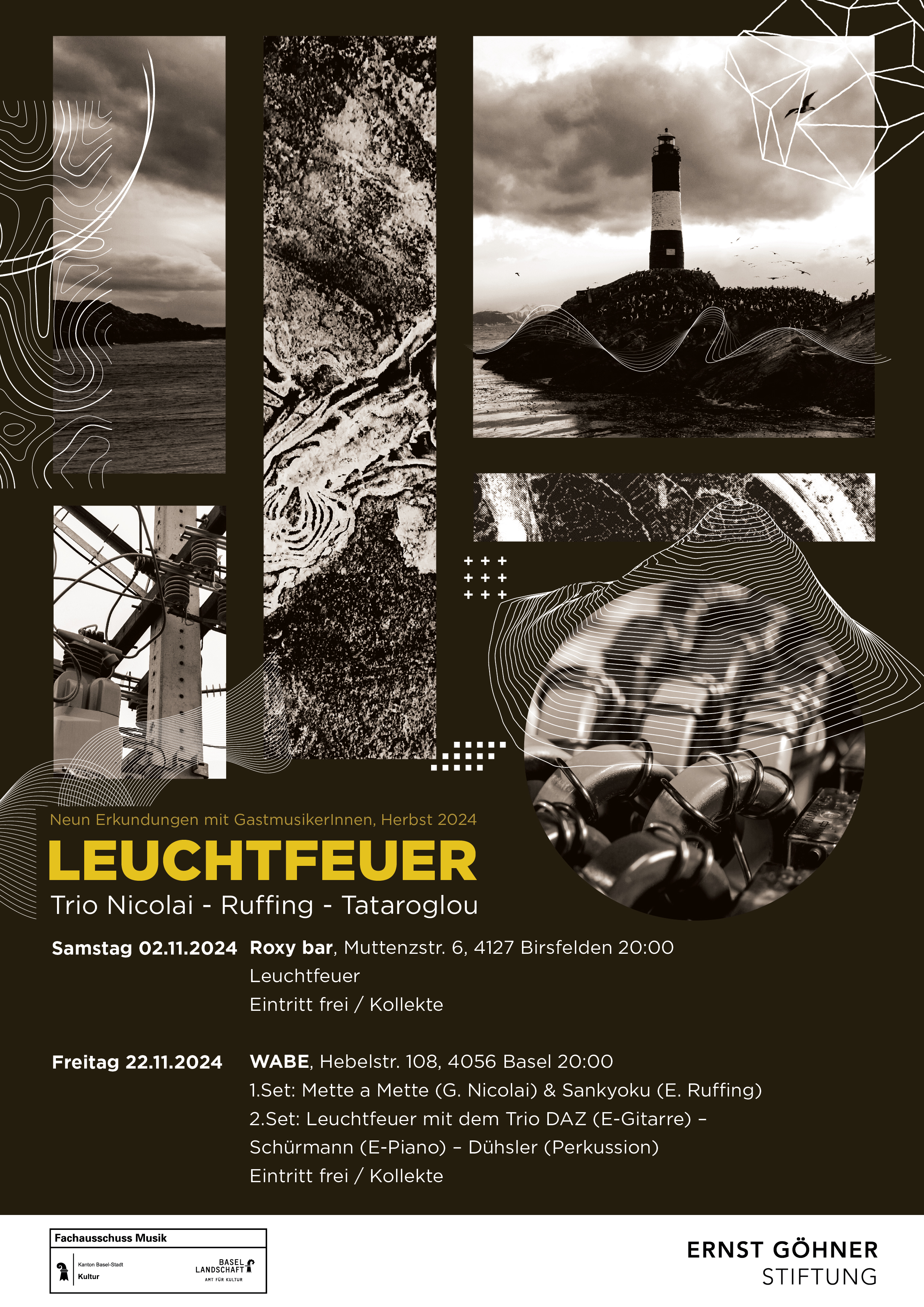
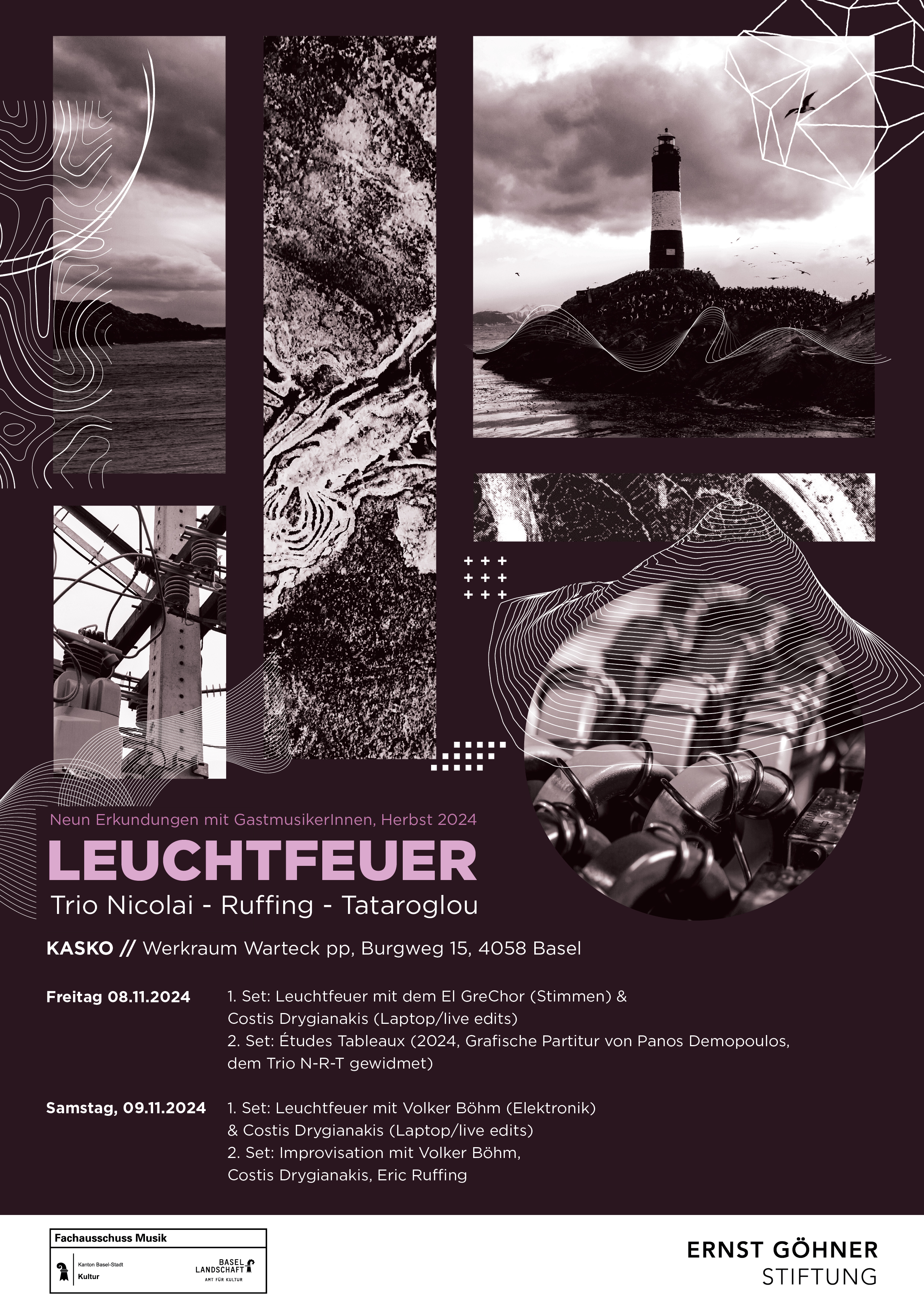
Leuchtfeuer
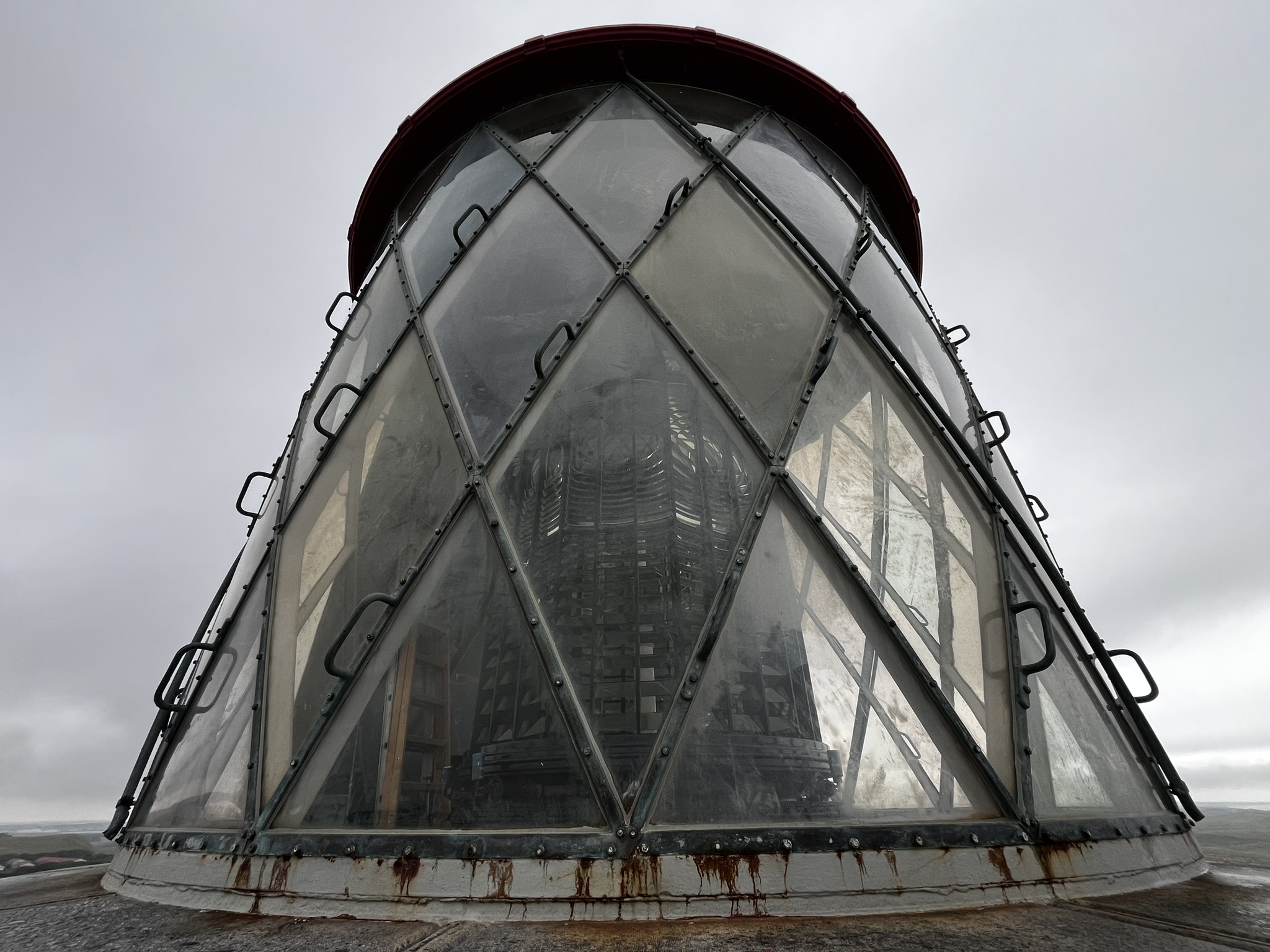
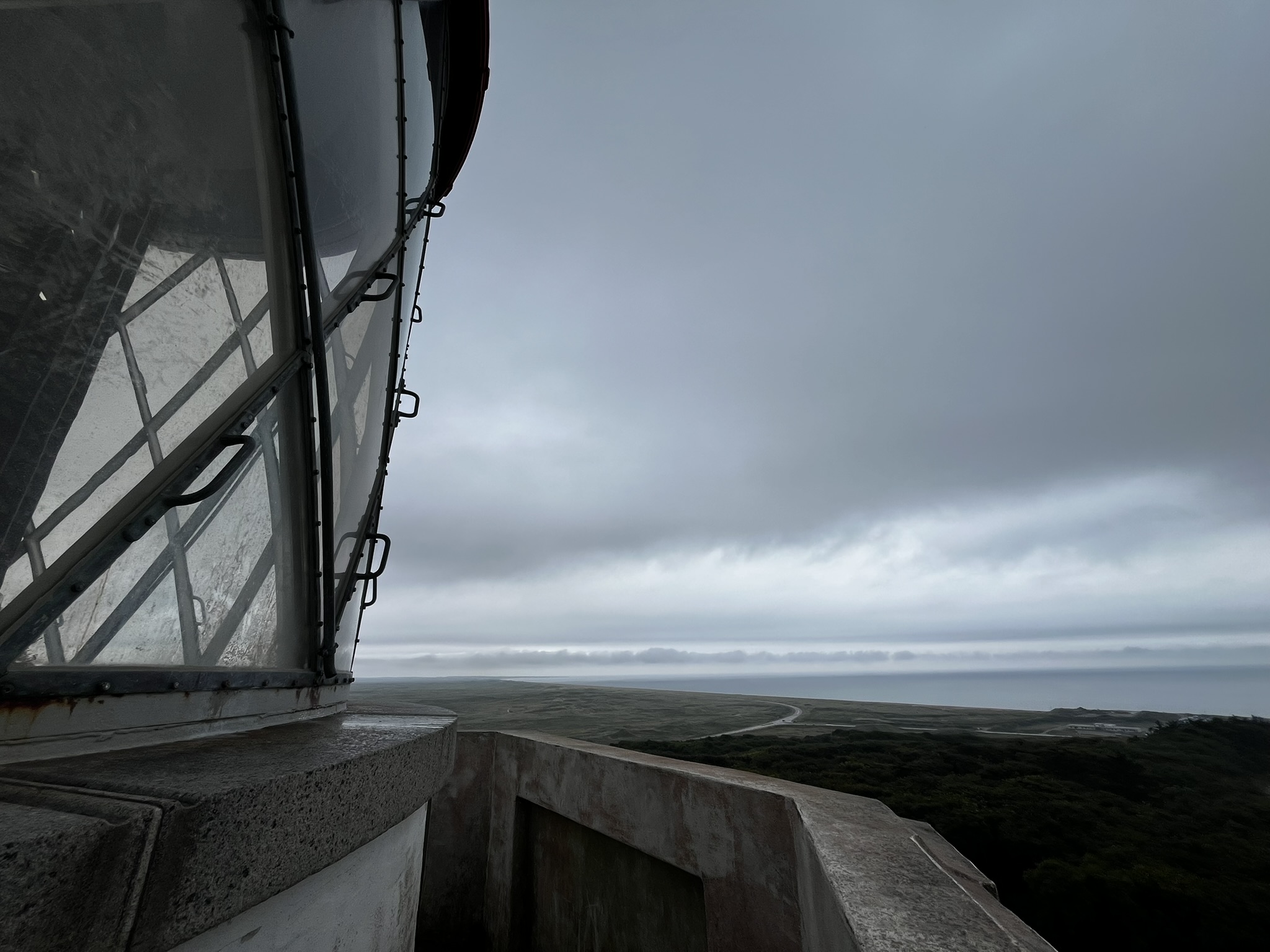
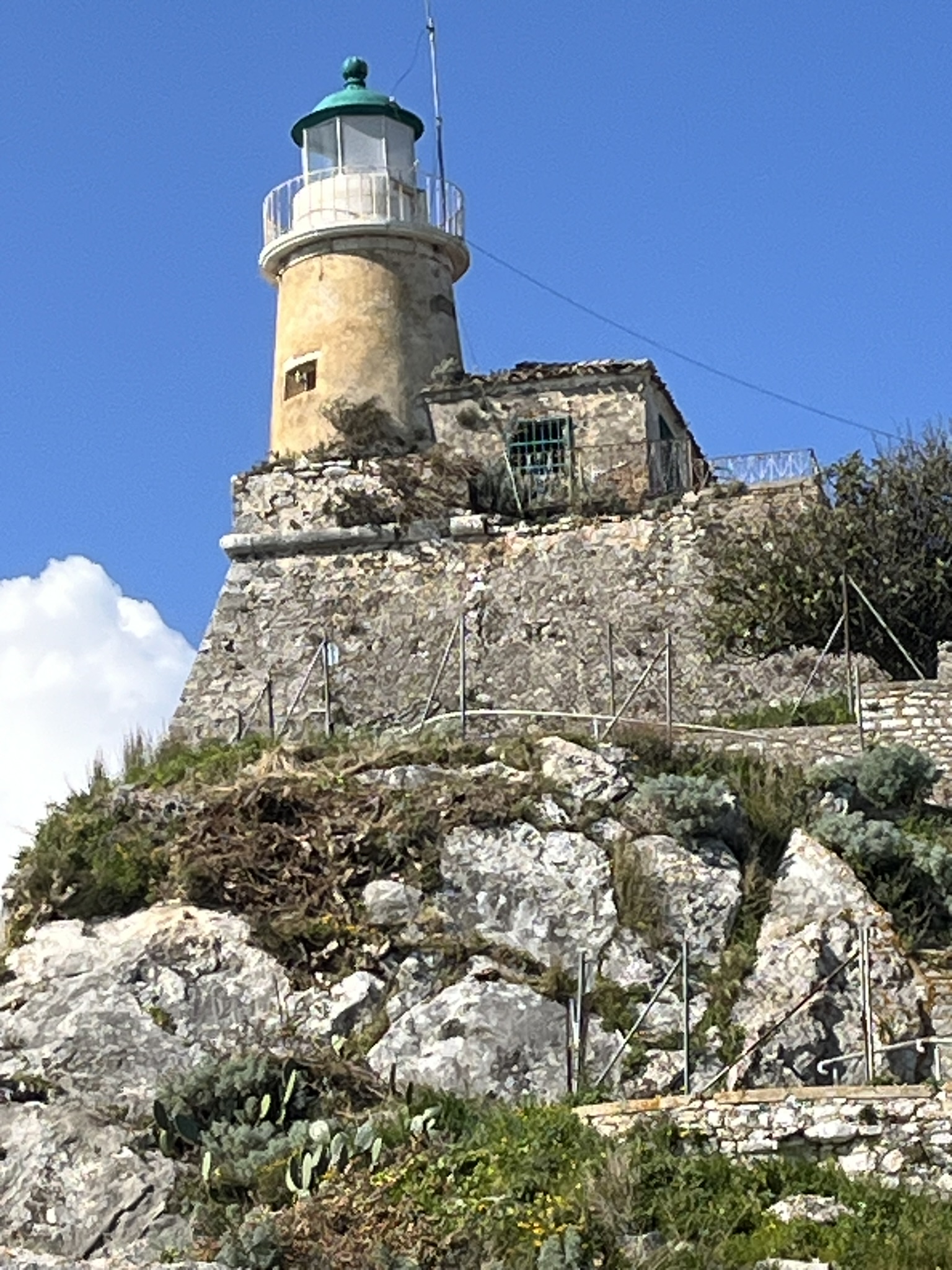
Lighthouses, symbols for centuries of the importance of human communication, can now, in a new context, fulfill a similar function: their rhythmically and strictly defined light signals, products of ordinary human activity, transformed into unusual musical motives, enrich the communication between improvisers and create new macro-structures in musical narration. The music moves and develops constantly, creating a sonic archipelago in which the listener can navigate, reflect, and rearrange with their imagination.
With the project Leuchtfeuer, the three musicians create a musical narrative that consists of non-idiomatic improvisations, tape, and field recordings.
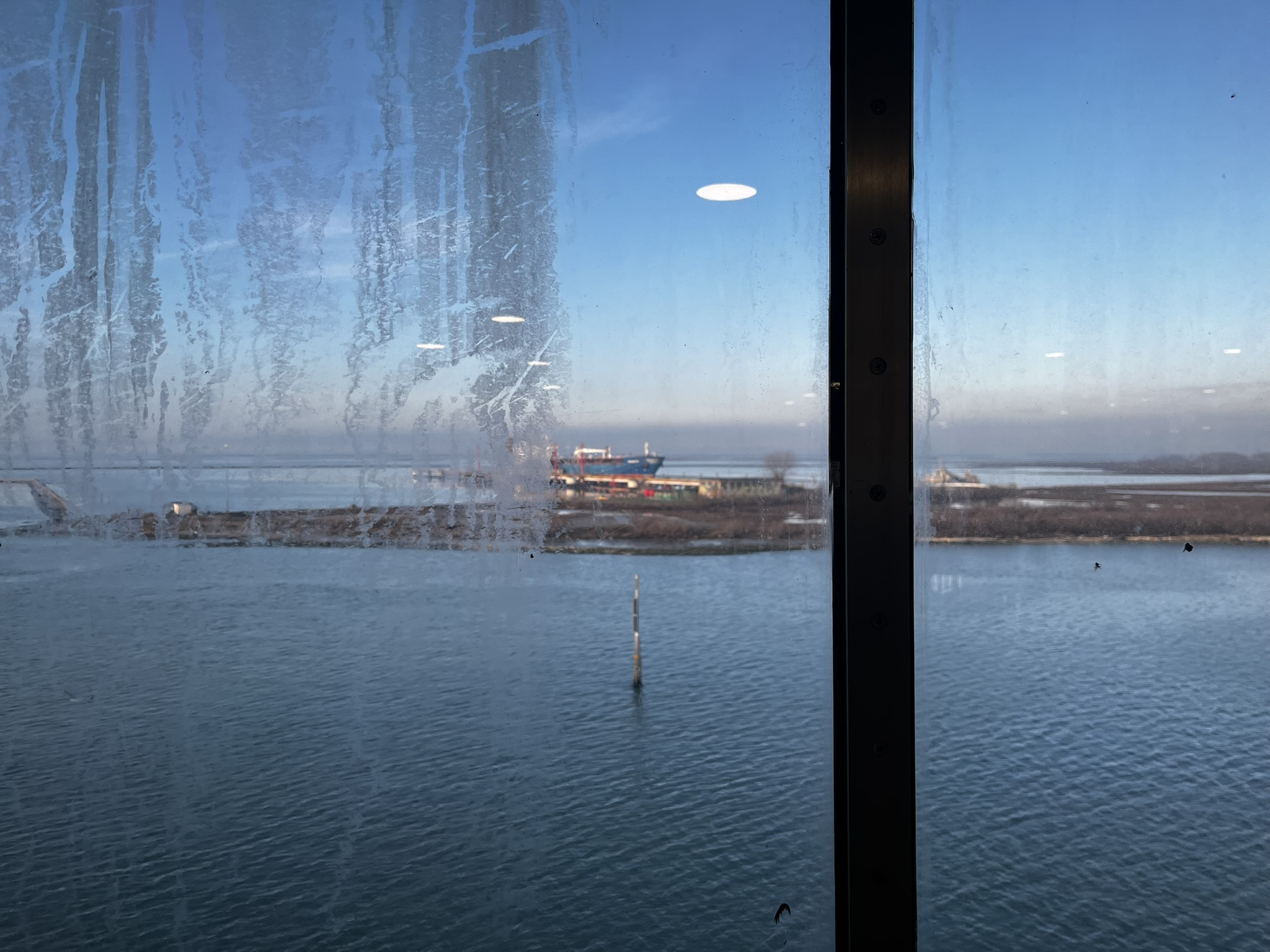
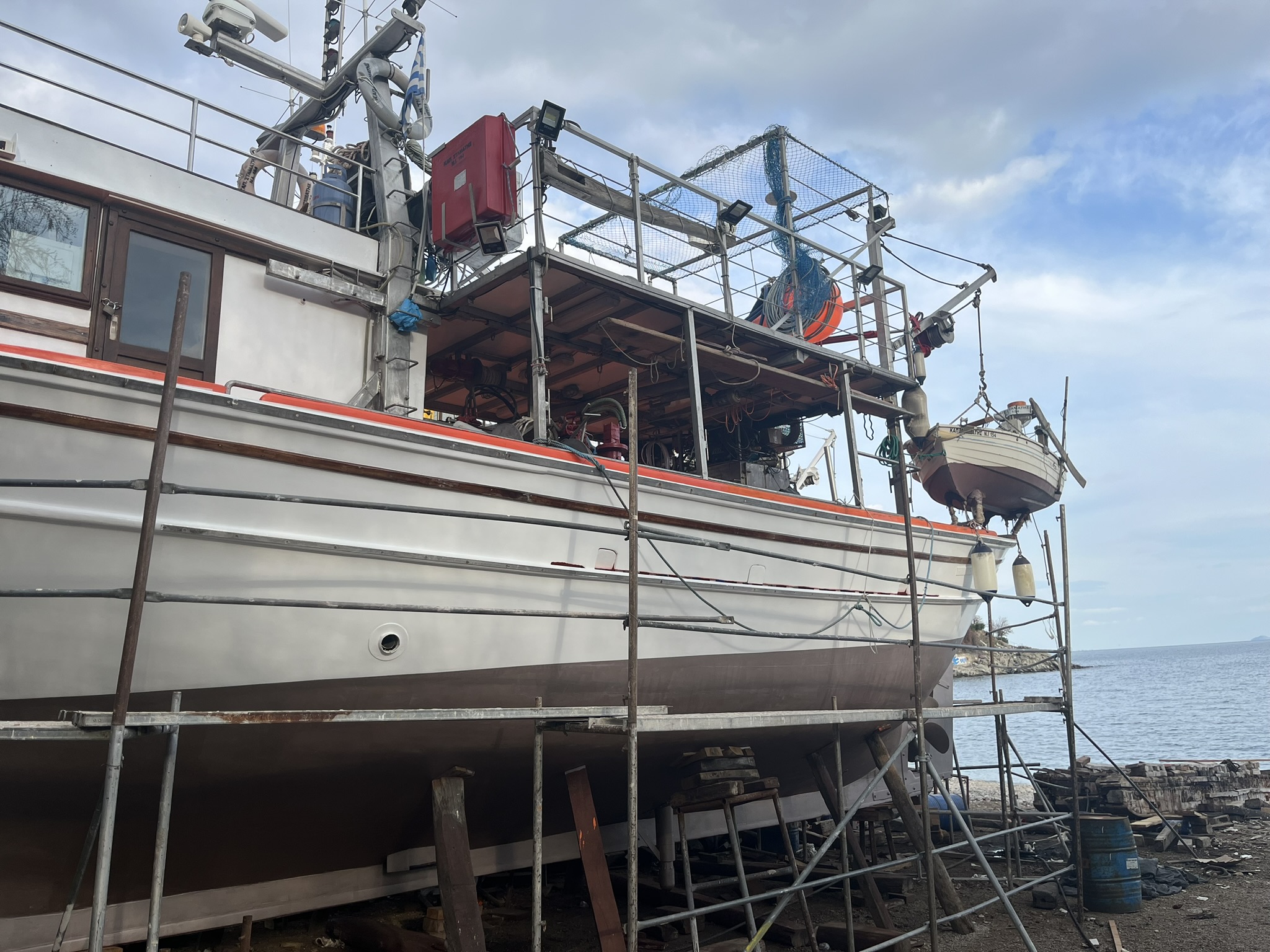
The central idea in Leuchtfeuer lies in the uniqueness of its tape, which was created from field recordings of a sea voyage in the Baltic Sea, as well as signals from lighthouses on the Mediterranean and Scandinavian coasts. These recordings were analyzed and transformed into sound structures.
Lighthouse signals are, in a way, coded signals. They can be seen from great distances by ships and identified as location markers. (Another interesting aspect is the intensity or hue of the flash color, which can provide information about the distance from the lighthouse.) In this logic, each lighthouse emits a unique signal, similar to Morse code, which sailors would interpret.
The sequence of lighthouse signals and field recordings used in our project is decided anew before each performance by means of a random generator, ensuring that improvisation remains an essential component of the music. Furthermore, the irregularities of the lighthouse signals on the one hand complicate planning and increase unpredictability, while on the other, the periodic arrangement of each signal leads to a discrete macrostructure. Or perhaps it creates a field of tension in which new possibilities are constantly emerging?
Collaborations in chronological order
Francesca Naibo (IT), e-guitar
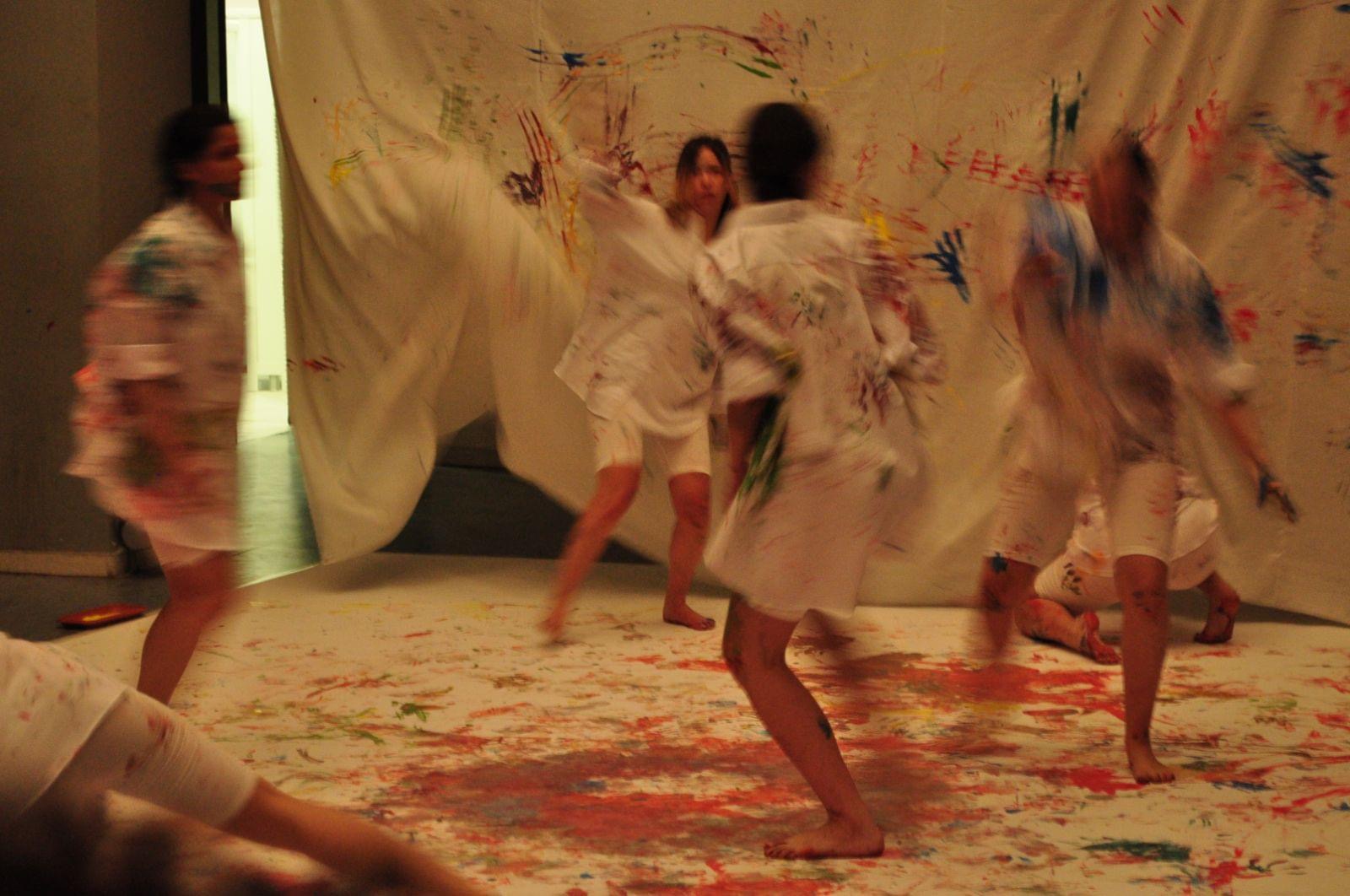
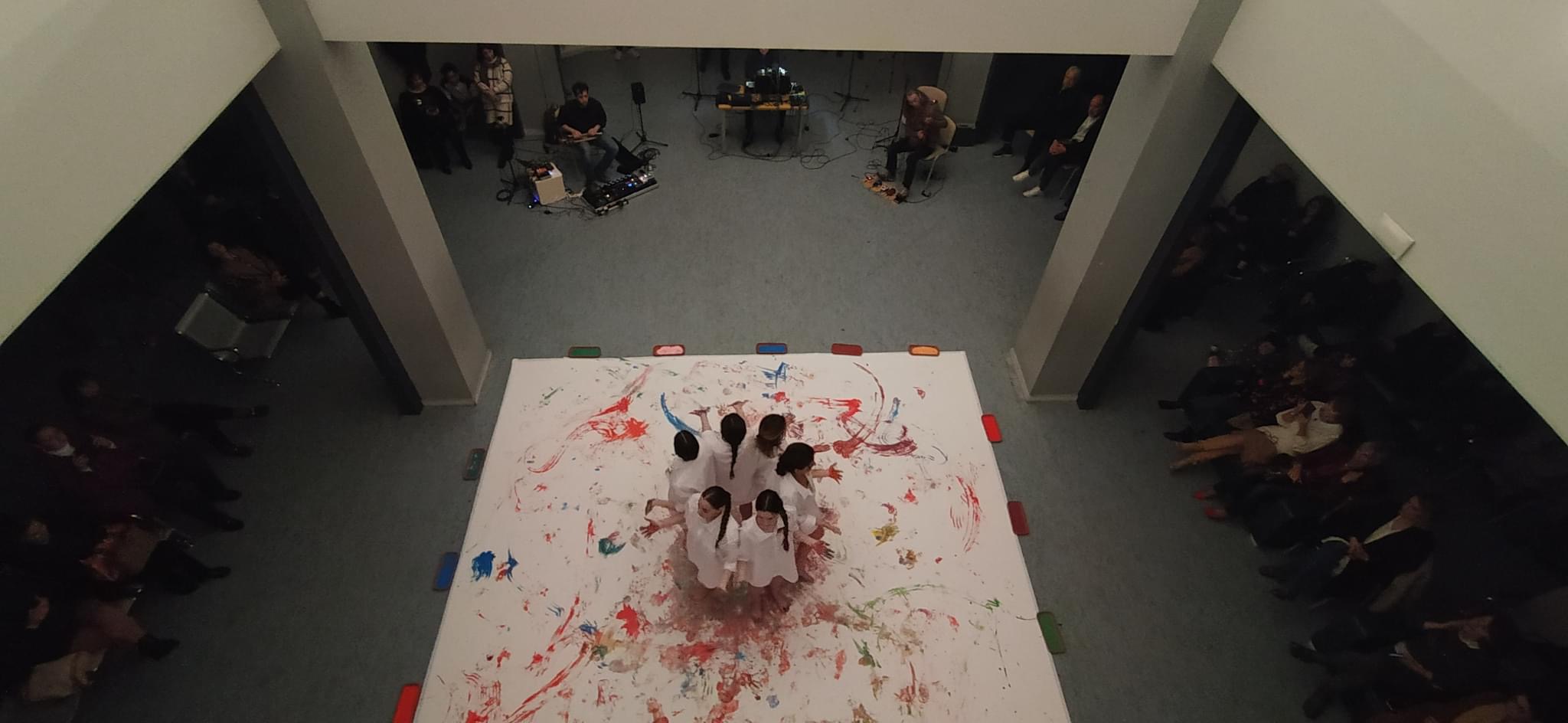
Ilia Belokurov (RU/SRB), sax & electronics & Anna Belorukova (RU/SRB), dance performance
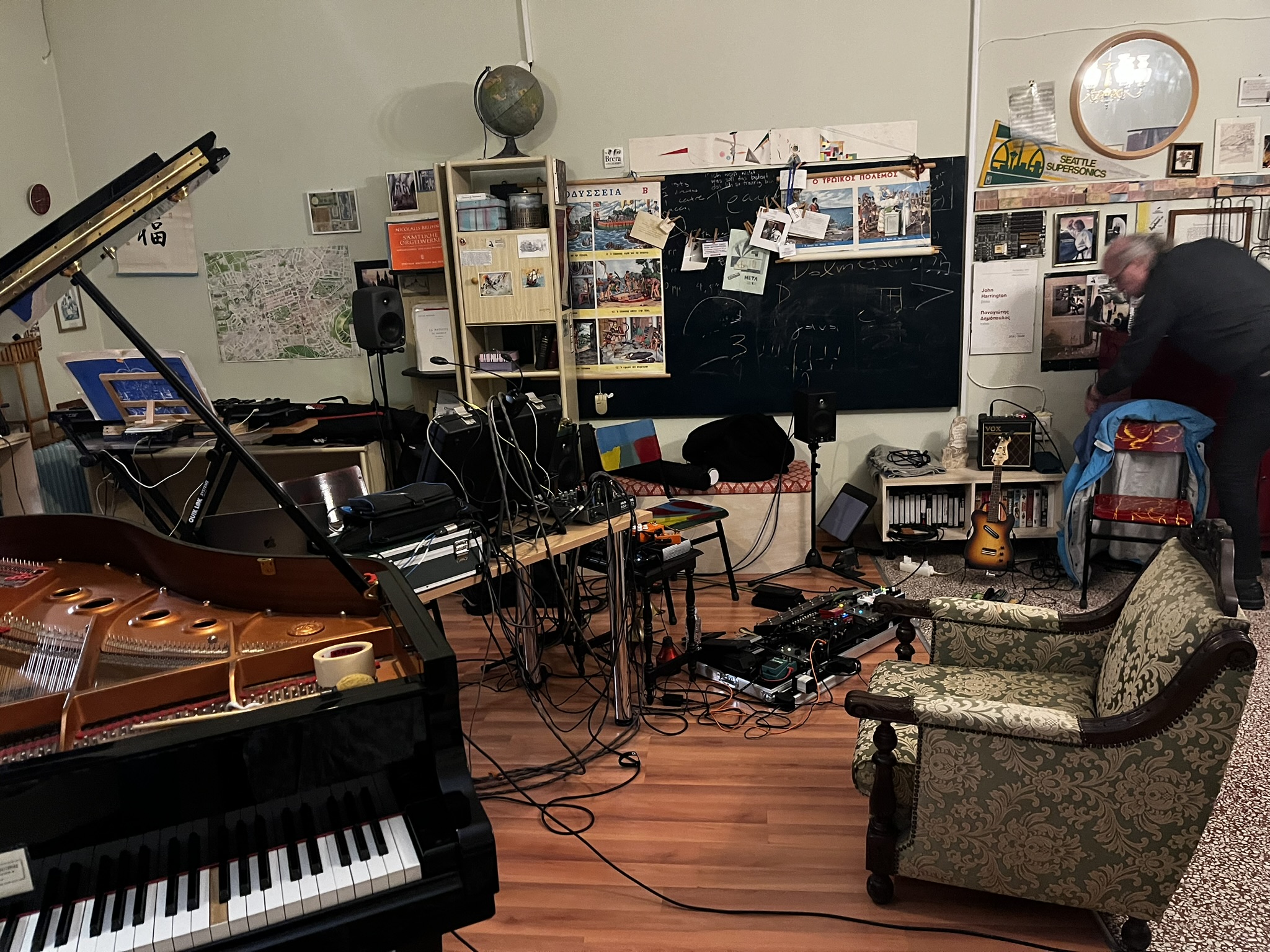
Panayotis Dimopoulos (GR), piano
Yorgos Dimitriadis (DE/GR), percussion & Dimitris Tasoudis (GR), percussion
Costis Drygianakis (GR), electronics
Nefeli Stamatogiannopoulou, (GR) contrabass & Dimos Vryzas (GR), violin
Dimos Dimitriadis (GR) & Andreas Mniestris (GR), saxophones
Hans Koch (CH), bass clarinet & Jonas Kocher (CH), accordion
Rodolphe Loubatiere (FR/CH), percussion & objects
Angelika Sheridan (DE) & Marina Tantanozi (CH), bass flutes
Marianela Leon (ES/CH), dance & light performance
Anna-Kaisa Meklin (F/CH), viola da gamba & church organ
El GreChor (CH), mixed choir
Volker Böhm (CH/DE), electronics
Trio Diego Aguirre DAZ (CH/CL) el guitar, Pio Schürmann (CH) piano/keys, Samuel Dühsler (CH) percussion)
三曲 Sankyoku for Shakuhachi, El. Ukulele & Electronics / Eric Ruffing, Duration 20 min.
The term Sankyoku refers to a traditional form of Japanese chamber music since the late 17th century and means something like “music for three”. The bamboo flute Shakuhachi, with its (far eastern) idiomatic gesture, fuses with (western) contemporary-experimental sounds or is contrasted with them. Sound fragments from the Honkyoku tradition and improvised shakuhachi sequences meet an improvisational electric ukulele and an electronically abstract sound world, which also contains playbacks of pre-produced shakuhachi sound recordings and concrete sounds. The form, time scale and expressive density of the joint improvisation are structured by a central principle of Japanese traditional music and general arts, the jo-ha-kyū, which is also reflected in the flower and tea ceremony.


















 incounterpoint.info